
Cathodic protection
Corrosion Control for Metal Structures
Cathodic protection is an electrochemical technique designed to prevent and control corrosion in metal structures exposed to aggressive environments, such as damp soils, seawater or industrial environments with electrolytes. It is one of the most effective corrosion control tools available in industrial engineering: turning the metal surface to be protected into the cathode of an electrochemical cell stops the corrosion process and extends the service life of the installation.
How does cathodic protection work?
The basic principle is to supply electrons to the metal we want to protect, so that it does not lose electrons to the corrosive medium. This can be achieved in two ways:
Sacrificial Anodes for Cathodic Protection
Impressed current cathodic protection
In larger or more complex systems, a direct current source is used to inject electrons directly into the metal structure. This creates a controlled flow of energy that keeps the surface protected.
This method does not require external energy and is based on connecting the metal structure with another more reactive metal (such as zinc, magnesium, or aluminum). That metal “sacrifices itself” because it corrodes before the main structure, thus protecting the target metal.
CORROSION ENGINEERING
Cathodic protection for fluid transport networks
Corrosion is the main challenge for the durability of fluid transport networks. At Procainsa we design, install and maintain cathodic protection systems for water and gas distribution networks, oil pipelines, gas pipelines and large-diameter ducts, adapted to the soil and the coating of each route.
On short sections or where no power supply is available, we use sacrificial anodes, which provide autonomous galvanic protection; on extensive networks, impressed current systems with rectifiers. Every project includes the preliminary study, the sizing and the verification of potentials in accordance with international standards.
We explain the process in detail in our guide to cathodic protection in buried pipelines and gas pipelines.
Advantages of implementing cathodic protection
Implementing a cathodic protection system provides clear benefits:
- Increases the lifespan of metal structures.
- Reduces long-term maintenance costs.
- Minimizes the risk of structural failures and leaks.
- Allows for more predictable control of corrosion risk than other passive methods
Where is cathodic protection applied
Cathodic protection is an essential solution in applications such as:
Buried or submarine pipelines in water, gas, or oil networks.
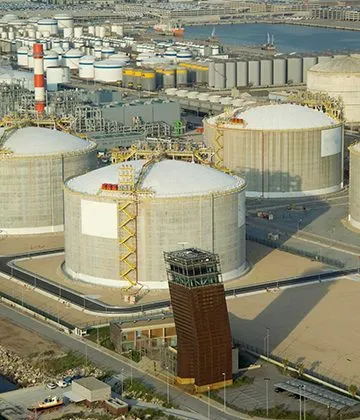
Metal storage tanks that are in contact with wet soils or liquids.
Hulls and naval structures, docks and piles in marine environments.
Industrial structures and metal bridges where corrosion can compromise structural integrity.
Our Experience in Cathodic Protection
Choosing the right company to design and install a cathodic protection system is a decision with a direct impact on the safety and service life of the installation. Since 1988, Procainsa SA has designed, installed and maintained complete cathodic protection systems, with both sacrificial anodes and impressed current, for clients in Europe, North Africa and South America.
What sets us apart as a cathodic protection company:
- More than 35 years of real field experience, not just theoretical design.
- NACE-certified technical team, the international benchmark in corrosion engineering.
- Comprehensive service: design, installation, supply and maintenance, without relying on subcontractors for critical phases.
- Guaranteed regulatory compliance with ISO 15589-1 and the UNE-EN 12954 series in all our projects.
- ISO 9001:2015 and ISO 45001:2018 quality certifications.
What structures do our systems protect?
We design and install cathodic protection systems tailored to your needs, whether with sacrificial anodes or impressed current systems. We apply these solutions to pipelines, buried tanks, marine structures, and industrial equipment, always guaranteeing the integrity and safety of assets.
Maintenance of Cathodic Protection Systems
We offer comprehensive maintenance of Cathodic Protection systems, which includes periodic inspections to ensure their optimal functioning. Our services are adapted to the needs of each client.
- Inspection and adjustment
- Potential measurement
- On/Off potential logging
- Exhaustive analysis
- Installation of specialized systems
- Potential measurement
- Detailed analysis
Supply for Cathodic Protection systems
We offer top-quality products for Cathodic Protection systems, manufactured in collaboration with internationally recognized suppliers. We guarantee exhaustive quality control for each component supplied, ensuring excellence at all stages of the process.
- Reference electrodes
- Impressed current anodes
- Manufacturing of Transformer-rectifiers
- AC-DC current discriminators
- Potential test points
- Anti-corrosion tapes and special paints
- Dielectric joints
- Calcined petroleum coke
Cathodic protection
Cathodic protection versus anti-corrosion coatings and treatments
Cathodic protection and anti-corrosion coatings are not competing techniques but complementary ones. An anti-corrosion treatment —epoxy coating, anti-corrosion paint, protective tape— acts as a physical barrier, isolating the metal from the aggressive environment. Cathodic protection, on the other hand, works electrochemically, protecting the structure even at points where the coating has defects or degrades over time.
At Procainsa we design cathodic protection systems that integrate with the existing or planned anti-corrosion treatment, maximising protection and reducing the current required thanks to the smaller exposed metal surface. You can see the full comparison in our article on cathodic protection versus anti-corrosion coatings.
- Anti-corrosion coatings: the first line of defence, reducing the surface exposed to the electrolyte.
- Cathodic protection: the second line, covering coating defects and failures throughout the service life of the installation.
- Anti-corrosion maintenance: periodic inspection of both systems to ensure they work together effectively.
Cathodic protection
Systems for storage tanks and vessels
Metal storage tanks —for fuel, water or chemicals— are particularly exposed to corrosion at the bottom and in the areas in contact with the ground or the foundation. At Procainsa we design and install systems adapted to each geometry and installation: sacrificial anodes for smaller tanks and impressed current for complete tank farms, also on tanks already in service.
Each project includes the soil resistivity study, the sizing of anodes or rectifiers and the periodic verification of potentials, so that protection stays within regulatory criteria throughout the service life of the tank. We explain it in detail in our guide to cathodic protection for storage tanks and vessels.
Frequently asked questions about cathodic protection
What exactly is a sacrificial anode?
Can I apply cathodic protection to already corroded structures?
What regulations govern the design of a cathodic protection system?
At Procainsa, all our projects are developed under strict compliance with international standards such as ISO 15589-1 (specific for onshore steel pipeline transport systems) and the UNE-EN 12954 series of standards. These regulations ensure that the protection potential levels are adequate to prevent both generalized corrosion and the risk of overprotection.
How long do sacrificial anodes last?
Is cathodic protection better than anti-corrosion coatings and paints?
Does a cathodic protection system require maintenance?
When should sacrificial anodes be used?
Sacrificial anodes are the best option for small or well-coated structures, such as short pipeline sections or small tanks, and for areas without a power supply. The galvanic system works autonomously, requires minimal maintenance and is highly effective in soils with low to medium resistivity.